Six new photos have been added to the photo gallery. Check out the cute!
gift ideas for your little four eyes
Giving the Gift of Sight
 I had been planning on posting a gift guide for kids with glasses (and yeah, I’m really late at that, too). But then I came across Seva Canada’s Gift of Sight Catalog for 2010-2011. The catalog offers you ways of giving the gift of sight to a person or people through the work that Seva Canada does. You can choose to give a general gift, or choose a more specific way for your money to be spent. For instance, you can donate $26 to purchase a pair of glasses for a child in Guatemala, or $33 to provide eye testing for 100 children in Cambodia. Please consider taking a look and helping someone see better this holiday season. I know that this is a tough time for everyone, but reading through their catalog reminds me of just how lucky we are to have good eye care, and to be able to afford glasses for Zoe.
Gifts for your Little Four Eyes
On a lighter note, recently, there have been some great posts here, and on the facebook group page pointing out fun gifts that celebrate our children’s glasses. I thought it would be fun to pull these together in one spot, and I added a few of my favorite links, too.
I want to note that I have not received any money or products or any other type of payment for posting these links – they’re simply gift ideas that I like and wanted to share. I am an affiliate with Amazon.com, which means that I receive a small commission for anything you buy through Amazon after linking there from my site (this currently only works for Amazon.com, not any of the Amazon sites for other countries). That money goes to the upkeep of this blog. However, after looking at the Seva.ca catalog above, I will donate all of my earnings from the Amazon links this month to Seva.ca to use towards general eye care for children.
Gift Ideas:
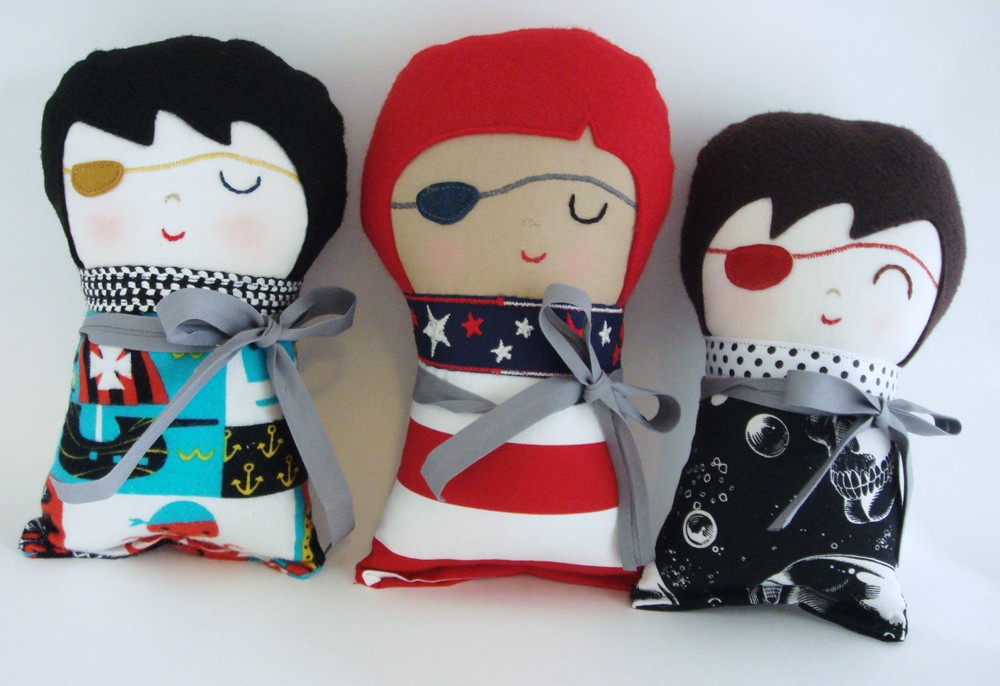
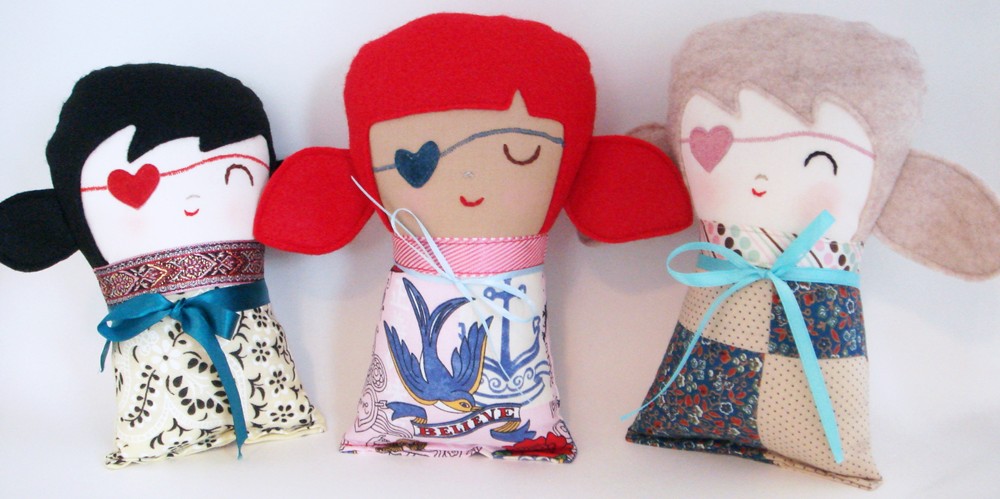
- Warm Sugar’s handmade dolls – these are the super cute, custom-made dolls that Amberhj wrote about last month that can be ordered with glasses or eye patches.
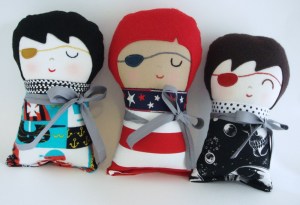
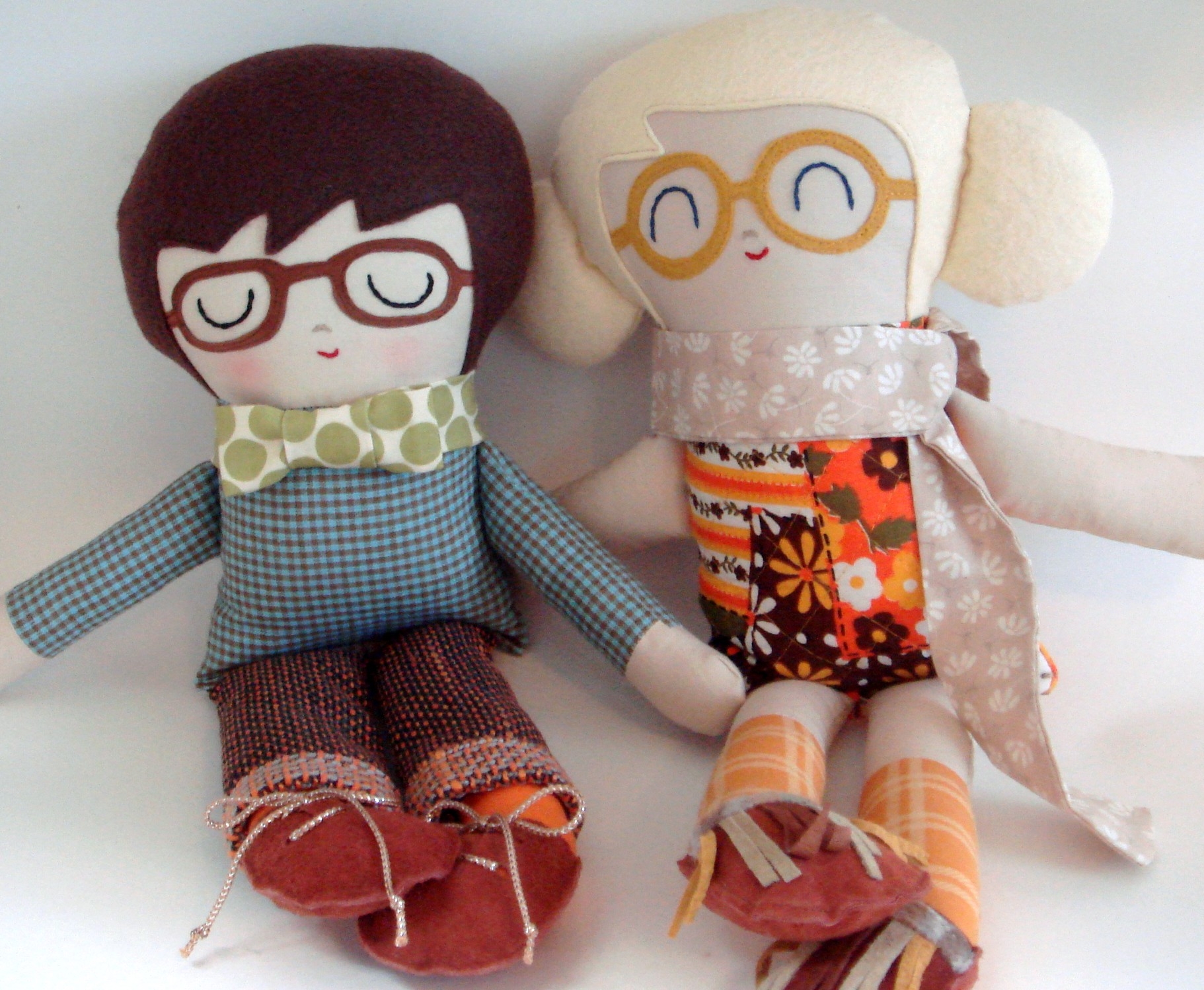
Some of Warm Sugar's dolls - You and Me Friends Doll with glasses – another doll with glasses.
- First glasses ornaments – customizable ornaments that feature kids in glasses.
- Ficklets – very cool charms for your child’s glasses. These are a great way to get your kids excited about how their glasses look. Note: they are small, so not recommended for the very young kids. You can read our review of Ficklets for more information.
- WeeOnez – I love these simple sketches of animals with or without glasses, one for each letter of the alphabet. You can get the images on shirts, bibs, mugs, and lots more.
- and of course, there’s always books!
What other gift ideas have you come across?
Reader request: Looking for other parents dealing with optic nerve hypoplasia, nystagmus, and myopia
This plea was posted by Dawn in our facebook group. She asked if I could post here, too to see if anyone has dealt with something similar. -Ann Z
My daughter is 13 months old, and I took her to the eye doctor today. She has optic nerve hypoplasia and nystagmus, but to top it all off, she’s also nearsighted. The doctor prescribed -7.00 lenses/glasses for her. I know it’s not common for such a young child to be nearsighted. I’m completely thrown off! Anyone have experience?
Vision therapy update: Stella’s first progress evaluation

Last night and this morning, there was a nerve-wracking build-up to Stella’s check-up, wherein her developmental optometrist would gauge how patching and vision therapy have helped Stella, or not. I’ve worked very hard (okay, harder on some days than others) during Stella’s first three months of vision therapy, sometimes pulling my hair out, often swallowing pesky doubts, and occasionally guzzling wine. She’s 27 months old now, and has been such a trooper through glasses, patching and vision therapy. She asks to do certain “eye games” and requests her patch in the morning so she can watch a video (it’s her routine, plus there’s no TV watching without a patch). But she can also be impossibly resistant in that flippant, in-your-face way common to two-year-olds. And Stella’s not the only one with a short attention span! What was I talking about? Oh yeah–this isn’t easy, folks!
I’m proud of Stella regardless, but has all our effort paid off? As we headed out to the doctor’s office, part of me was absolutely certain that yes, her progress has been hit-you-over-the-head obvious and will be decisive and documented for posterity in the history books (or at least Stella’s patient records). But, I’ll be honest. Another part floundered and secretly wondered if we’d been throwing away hundreds of dollars each month.
The verdict: Stella has made solid improvement! Stella’s amblyopic eye is getting stronger and her eyes are working together more effectively. In August, when Stella was 24 months old and had been patching for maybe three weeks, her left eye was judged to be 20/40 [edit: found out at vision therapy that it was 20/80 before patching began]. Her right, 20/20. Since then, her left eye ramped up to 20/30, and her right is still 20/20. Other positive signs: During the exam, Stella’s eyes didn’t cross like last time. She showed much clearer evidence of 3D vision and binocular vision while wearing red/green glasses. These areas still need a lot of work, but Stella’s doctor and I see her first three months of patching and vision therapy as a success.
Continue reading “Vision therapy update: Stella’s first progress evaluation”
Reader request: baby in glasses
This question came in from Wendi, who has experience with a toddler in glasses, but is now facing having her 6 month old in glasses, too. Those of you with babies in glasses, what tips do you have? – Ann Z
My daughter was iagnosed with strabismus and hyperopia (farsightedness) at the age of 2. She is now 4 1/2 and we have just started to patch one eye for 4 hours/day. The diagnosis was a shock to us because neither my husband nor I are farsighted, in fact we are both nearsighted and have low presciptions (plus, no farsightedness on either side of the family). My daughter was a preemie at 7 weeks early, so I thought that maybe that was the cause. Anyway, last month we brought our 6 month old son to get his eyes check per the recommendation of the doctor (apparently, it is common practice that if a sibling has eye issues, to have the child checked early). We were shocked to learn that our son’s eyes are worse that our daughters (my daughter has a prescription of +5.0 on both sides, whereas, my son is +8.0 on both sides). My first question is for those that had glasses on babies… do we go with the straps or not ? We are having a hard time getting glasses that are small enough. Also, I am inclined to get a second opinion….did you? I just don’t feel that my doctor was thorough enough…it was more like, “Yup, same as his sister, here’s your prescription.” Why glasses so early? Will his eyes improve? Will they get worse if he doesn’t wear them? Is eye therapy an option? I would just love to hear your experiences with babies and glasses.
Reader question: kids with very low power presciption glasses
This question just came in from Jen. Anyone out there in a similar situation? -Ann Z
My daughter was diagnosed at 20 months old and we have been patching since. She was also prescribed glasses a month ago, her prescription is +1.5 ONLY but our doctor says we should give it a shot to see if that will help straighten her eye. So it turns out that the prescription is so low that it does not help her “see” better at all so it’s been a struggle to get her to wear it. I’m just getting frustrated that nothing is helping her yet. She has been a trooper in patching and we just had another baby so there are so much changes in her world. I want to see if there are anyone here with a child in similar prescription and has seen a difference in straightening out the eyes or successful in keep the glasses on?
Playing Air Traffic Controller
This is one activity we play to help Elliana with tracking. It is a super difficult task for her and we try to make it a game – air traffic controller! Sometimes we make the orange sticks to help direct the planes and tell them which way to go. We use this sheet  (sorry, no idea where it was copied from – If you know, please share so I can give the source credit) given to us by our OT and hold it in front of her. We can make it more challenging by moving it farther away or easier by helping her track with our fingers or covering up only a few arrows at a time. Elly moves her arms in the direction of the arrows.
Calling all parents of young kids with contacts: request for experiences and advice
I’d been planning on doing a post on babies and young kids in contacts, since kids in contacts have been in the news recently. Then earlier this week, this comment came in from Emam:
I came across this website when searching for tips on how to put on contact lenses for babies. My son Adyaan is 2 months old and he will have his cataracts removed on Saturday on 27 November 2010. He has been diagnosed with congenital cataracts due to rubella syndrome. After his eye surgery he would be on contact lenses of the highest power. As his parents we are indeed very scared of fixing his contact lenses for daily use. We are assuming we have to put eye drops in his eyes every day. We are scared of thinking that he will scream and cry and try to rip it off when you will not have any option but to be cruel with him and fix his contact lenses.
We don’t know how he would coup up with the contact lenses. His doctor prefers if possible Adyaan should be on contact lenses, either daily wear or extended wear, through out his life. Has anyone been through the same thing with contact lenses and found a better solution?
Any feedback or experience would be highly appreciated!
So for all you parents with babies or kids in contacts, care to leave any tips or advice? I’d also love to hear what led you to get contacts for your kid, how easy or hard it was for your child to adjust, and how things are going now.
Thanks!
The eyes are looking good
 The chunky funky frames are a slightly higher prescription that we are trying to see if filling her whole script will help reduce the squinting. Her left eye is looking straighter without having the muscles moved and her right eye is still healing! The new muscle position is also helping with her academics. The progress she has made with reading and writing in the last 3 weeks is amazing!!!!
Too sweet: Handmade dolls with patches and glasses!

It’s safe to say that we all love seeing toys, books, and clothes that feature glasses or patches in a positive, adorable light. So I couldn’t wait to share a recent find with the Little Four Eyes community. Over at Etsy, in warmsugar’s shop, you can find incredibly cute and stylish soft dolls, all handmade and many featuring chic eye patches or glasses. Boy and girl dolls are available in a range of sizes and prices, from about $19 to $70 with many costing $21 or $29. During the holiday season only, warmsugar is offering custom-made dolls. That means you can specify hair style and color, skin tone, glasses or eye patch, basic clothing style preferences, etc. In essence, you could create a mini-me for your little one.
Dolls with patches are a prominent and consistent offering, and currently, some of the ready-made dolls feature glasses, too. In fact, glasses are an add-on option for all dolls. Shannon Jefferson, the wonderful creative force behind warmsugar, informed me that she even found a charming fabric depicting children wearing glasses, and has begun incorporating it into a few doll designs. How perfect is that?
I could see a warmsugar doll as a fabulous and meaningful gift to celebrate and perhaps even encourage a tad more cooperation with a first pair of glasses. Stella, whose glasses, patching and vision therapy I write about here and on my blog, will be getting one under the tree this year. Oh, and if no one writes a storybook about warmsugar’s Elsie, a love fairy with goggles, I will!
Just for the record, I have no paid affiliation with this person or shop (nor does Little Four Eyes). I just love the dolls.
Monday round up of links – November 8, 2010
I’ve run across quite a few mentions of children’s vision online recently, so it’s clearly time for another round up of links:
- Girl’s life saved due to facebook photo – A post on Bright Eyes News about how a person on facebook notices something wrong with a girl’s eyes when her parent posts a photo of her.
- Children really do see things differently – an article on a study of how children perceive objects. This doesn’t have anything to do with vision problems per se, but it’s interesting to note how children’s vision develops.
- What’s new in children’s eyeglasses – a page on All About Vision that collects news on children’s glasses frames, particularly in terms of fashions.
- Children’s Eye Foundation’s calendar photo contest follow up – the “I Care for Eye Care” calendar photo contest is done, winners have been chosen and the calendar is available for download. Three of the photos submitted by Little Four Eyes readers are featured in the calendar (Big Sister Love, Like Dad like Daughter, and Brotherly Love). Congratulations!
- Children’s Eye Foundation’s “See by Three” program – the Children’s Eye Foundation has received a grant to launch a national “See by Three” program, starting in Fort Worth. The most interesting – and really quite concerning – point in the linked article for me was the fact that they’d found that when a pediatrician told a parent that their child had a vision problem, the parents followed up with an eye doctor only about half the time. There’s a lot of work to do in terms of awareness of how important it is to treat vision issues.
Responses you’ve liked
Today we stopped by the butcher shop to pick up something for dinner. The women working the counter were complimenting Zoe on her glasses when one of them told us to hang on a minute, and ran into the back. She came back out carrying a photograph of twin girls, maybe 4 years old, in glasses. One was in bright yellow frames, and the other in pale blue. “These are my nieces,” she told Zoe, “and look you three could be triplets!” And indeed, Zoe did look like she could be a sister to those two. And Zoe lit up when looking at the picture. It was awfully sweet and touching.
We’ve had plenty of discussions of some of the insensitive, and even downright rude, reactions that people have to young kids in glasses. Whether it’s questioning whether the glasses are real, questioning whether we’re hurting our child by putting them in glasses, or just pointing and laughing, it can wear on a person. But what are some of the sweet or kind responses you’ve gotten? Ones that made you or your child genuinely smile.
Another look at full occlusion, and why we patch with tape instead.
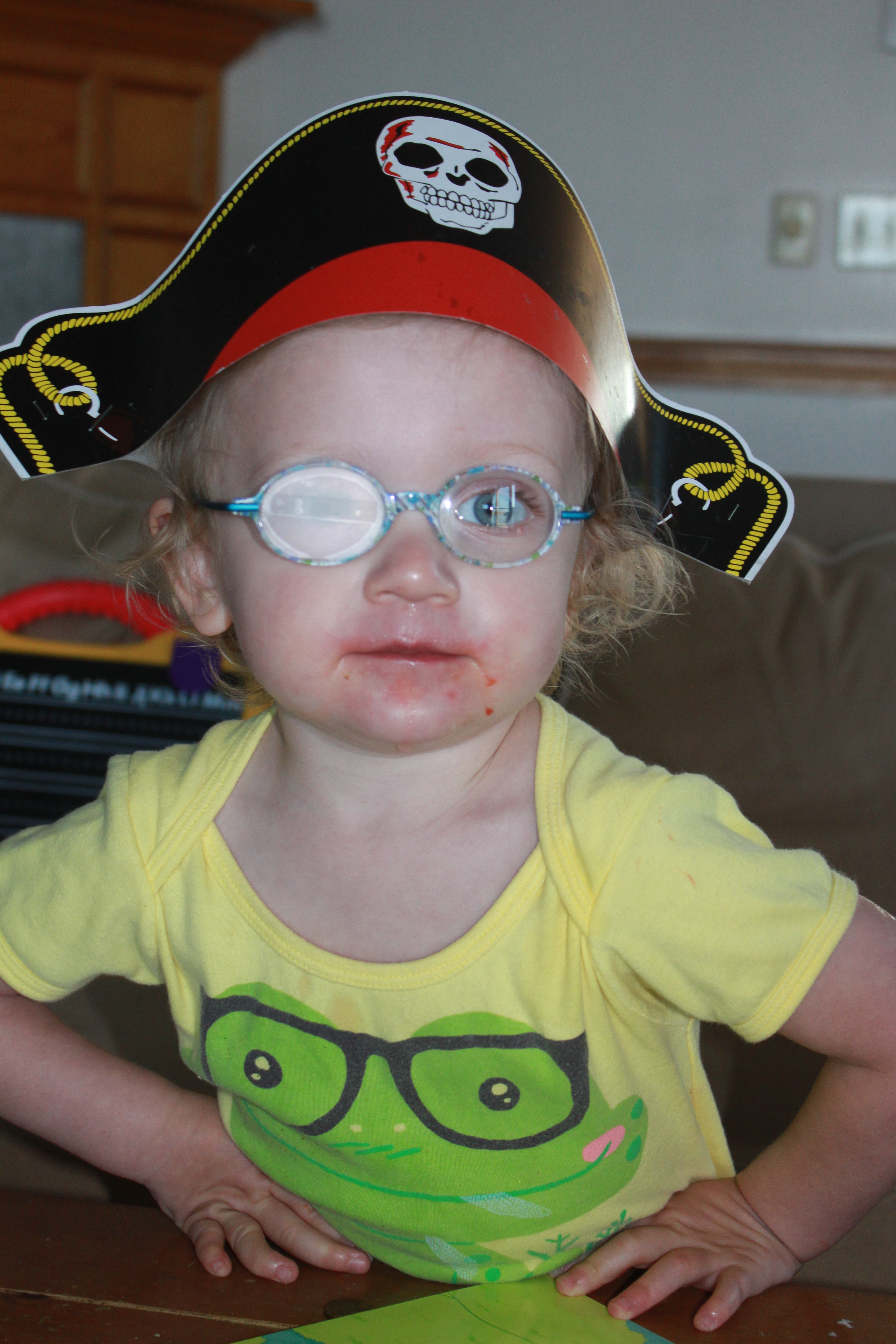
They’re not easy to spot, but if you look closely, you’ll find little ovals of Magic Tape jutting out from just about every surface in our home. Like an infestation of ghostly flat beetles, they peek out from door jams, edges of dressers and bookcases, and the side of our bathroom mirror. You’ll even discover them slapped to the dashboard of our car–because we take our occlusion to go!
For three to four hours a day, the right lens of Stella’s glasses is covered in a little patch of tape. I’ve been wondering if anyone else in the Little Four Eyes community is patching this way. I’ve never seen it mentioned, and have read here many times that doctors insist on the importance of full occlusion. At the risk of sounding controversial, I’d like to propose that 100% full occlusion, provided by the standard adhesive patches, is not necessary or “right” for every child with amblyopia. Stella’s story (so far, anyway) and solid research back up this premise.
Quite simply, translucent tape on the glasses lens over her stronger eye works for Stella. Her reaction to the adhesive-on-skin-style patch was so over-the-top. To me, it was heartbreaking and scary. She’d had an NG tube as a baby, a feeding tube that is taped to the face and goes into the stomach through the nose, so maybe old trauma was involved. Regardless, we all know that patching can be very trying for some kids and parents (though for some it seems to go quite smoothly), even without negative past experiences with adhesive! That said, I’m relieved to point out that Stella’s intense resistance is not why we patch with tape.
Continue reading “Another look at full occlusion, and why we patch with tape instead.”
A squint?
2 weeks ago, our PO dialated her eyes to see if her perscription changed. I understand that it has changed slightly, from a -8.5 to a -9 and for most kids this wouldn’t be a big deal. Elliana’s eyes however, love perfection. Early on, they tried to underfil her script with a -6.5, but her brain wanted the whole perscription. I can tell when her perscription needs changing just by her personality. It is quite amazing. Unfortunately, we are seeing her squint more and more. This could be a couple of things. 1. That she needs new glasses with the exact perscription. (ordered and waiting on) or 2. She has realized that the world is more precise and clear in the center of her eye and she, as a result, closes her eyes to make the blurrier message dissapear. Either way, I would like to figure out what is going on.
hmmmm…………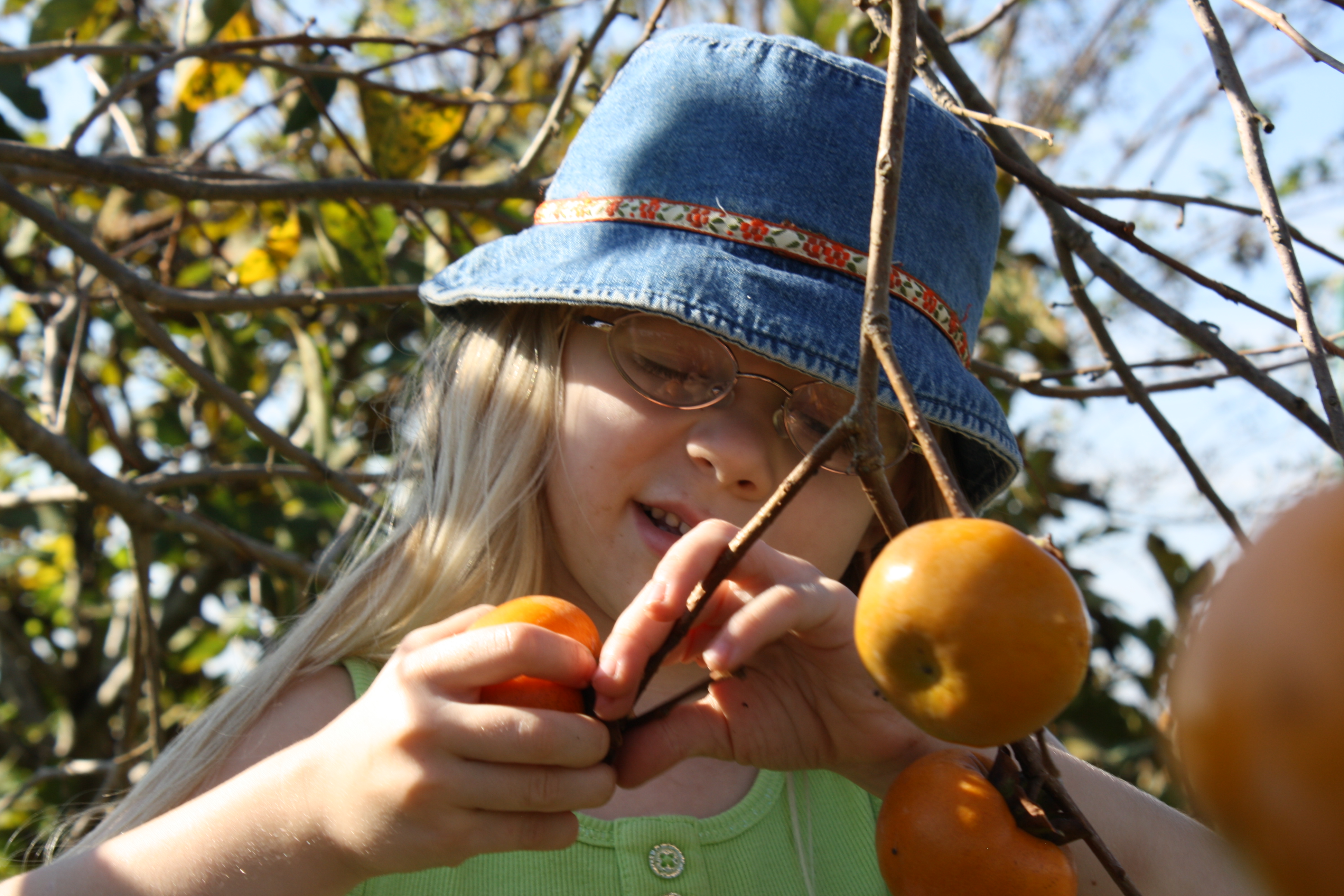
Vision therapy progress: Maybe little efforts are a big deal after all

So, my 26-month-old Stella has been patching for three months, and doing vision therapy for almost two months now. We do 20 minutes (30 or even more if we’re really, really lucky, 10 to 15 if we’re not) of vision therapy exercises at home five days a week, and we go into the office for a 45-minute session with Stella’s vision therapist once a week.
Stella has made obvious strides. Many fine motor tasks, like puzzles, are simply much, much easier for her, even when just using her ambylopic eye. She has more patience and confidence with such challenges–a wonderful side benefit to vision therapy and/or the product of more reliable vision. She’s taken to completely filling up a pipe cleaner with foam beads (they’re about a half inch wide with a tiny hole in the center). But when we first tried this exercise a little over a month ago, she couldn’t thread a single bead without tossing it in frustration. Catching a balloon is now pretty darn easy for her, whereas not long ago she avoided it completely. One of our current efforts is catching feathers, which she really enjoys and is mastering despite the added challenge of the smaller, more erratic targets. Some of the progress may be due to the daily practice, and some to the natural advancements in skill that come with each additional month in age, but the smoothness and confidence of her motions tell me that her eyes have become better guides, too.
Those bits of improvement were clear. But then, during last week’s office session, her progress was illuminated. Our vision therapist brought out the quoits vectogram, used to encourage stereopsis, and discussed in Fixing My Gaze by Susan Barry. Stella donned polarized glasses, comically large and round, over her own specs. I did the same with my sunglasses, perhaps helping to secure her cooperation–especially after we smiled at ourselves in a hand mirror. (One of many subtle but clever tactics employed our vision therapist.) A good explanation of this exercise can be found on page 115 of Fixing My Gaze: “A vectogram consists of two clear polarized sheets, each containing a similar image… When the viewer is wearing polarized 3D glasses, each eye sees the image on only one of the sheets. To see just one image of the rope circle, he or she must fuse the right- and left-eye views.” The moment felt large. Would Stella see the rope circle in 3D?
Continue reading “Vision therapy progress: Maybe little efforts are a big deal after all”
 For Little Eyes
